


















The bill in current form would cause many state employees to pay much more for health insurance, says Personnel Cabinet
In Frankfort and around the state, HB 500 has received a lot of attention in the past week, much of it coming after a letter from the state Personnel Cabinet secretary that warned of great losses to monthly net incomes of state employees, including educators in the public school systems, if the bill were to be passed as is.
Local legislators, however, have responded that the bill—which is the House of Representatives’ proposal for the budget of the state executive branch and the state’s largest budget—in its current fashion is a starting point and there will certainly be changes before it lands on Gov. Andy Beshear’s desk toward the end of this legislative session.
In a social media post, state Sen. Robby Mills said the process for crafting the bill has just begun and asked for patience in the process.

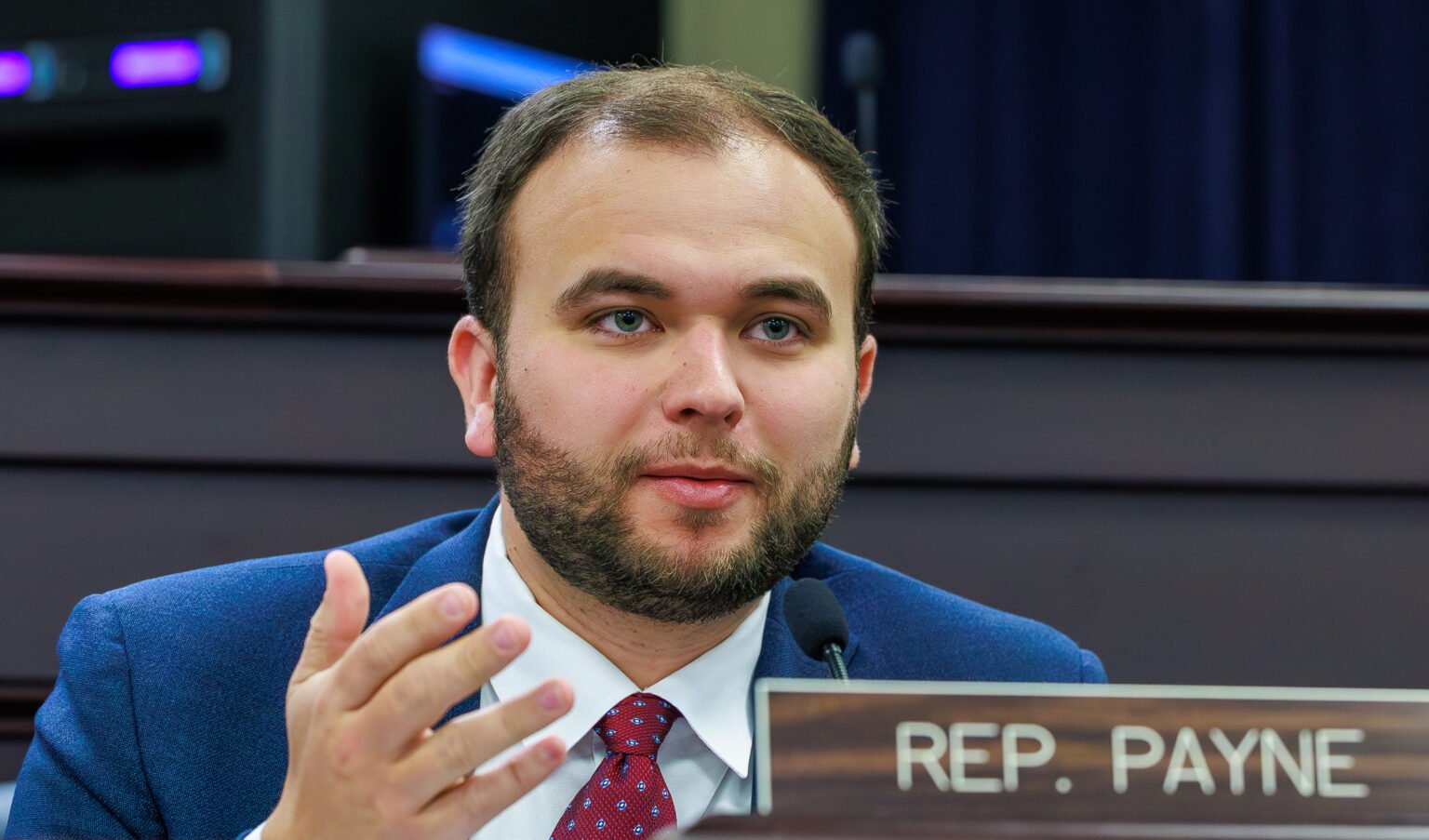
That sentiment was echoed by state Rep. J.T. Payne, who told the Hendersonian that the bill submitted at the beginning of the session was basically a “skeleton” of what legislators expect its final version to be.
In HB 500’s current form, Payne said, “No, I could not vote for it.”
He’s certain, though, that the bill will see significant changes before it comes to a vote on the House floor before it moves over to the Senate for more changes and a vote on the Senate floor. The bill is currently in the House as legislators meet with stakeholders and hear from the public about additions and changes, Payne said.
No doubt lawmakers have got an earful from constituents and the leaders and directors of state agencies that would be directly affected by a piece of the legislation that would see state employees pay more into the Kentucky Employee Health Plan and in some cases drastically reduce the amount of monthly take-home pay, according to a letter written by Personnel Cabinet Secretary Mary Elizabeth Bailey and submitted to members of both houses and the media.
The letter focuses on employer contribution rate limits in Part IV, Section 9 of the bill and says that it will have a “devastating impact” on KEHP members and their dependents, “resulting in a possible 78% increase in employee premiums over the next two years.”
The letter also highlights effects the bill would have on different state jobs. For example, teachers early in their careers—Rank III—would see a decrease of $486.04 per month, decreasing current monthly take-home pay from $1,939.68 to $1,453.64.
A school bus driver, currently receiving a monthly net of $680.82 would need to pay $535.18 more for health coverage, bringing take-home pay per month to $145.64, according to the letter.
There are more examples ranging from the lowest salary loss of $239.78 up to that of the bus drivers’, the most.
Payne said he can’t verify the numbers cited in Bailey’s letter as fact and that he’s heard of different numbers that legislators have been discussing.
“I’ve heard different numbers but none of them are good,” he said.
Payne, who is also the principal of Henderson County High School’s Career and Technical Education unit, said numbers such as those Bailey listed for early career teachers would most certainly make it difficult for state school districts to recruit and retain educators.
He also noted that his KEHP insurance as an educator is part of the list as well as fellow legislators, who if they choose can obtain the KEHP health insurance, Living Well.
But he reiterated those numbers are certain to change during the session as it moves through the House and Senate, and—if history is any indication—goes to Conference Committee when select members of both parties hammer out the bill’s final contents.
Payne also said it’s important to understand the position the state health plan is in. Currently, in fiscal year 2026, the cost to the state sits at $1.57 billion, a 16% increase from where it was in fiscal year 2024, he said. And projections show that by 2028 the cost will reach more than $2 billion, he said.
“It’s not sustainable,” Payne said. “There has to be a conversation about how to slow the growth.”
He said part of the solution to the KEHP expansion could come from investigating the system with a goal to increase its efficiency. That could reveal inefficiencies in the health plan similar to an auditor’s recent finding of $800 million waste in the state Medicaid program, Payne said.
Finally, the first term representative said the legislation passed this session will not be a permanent solution to what he foresees as an ongoing issue. It may take several budget sessions (which occur every two years) before it can get fixed, he said.
“There will not be a permanent fix this session,” Payne said.
Correction: In a previous version of this article, it was stated that an auditor found $800 million waste in the state pension plan. In fact, an auditor found $800 million mismanagement in the state’s Medicaid program, according to Payne.

