



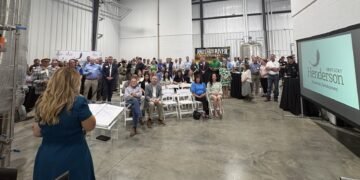


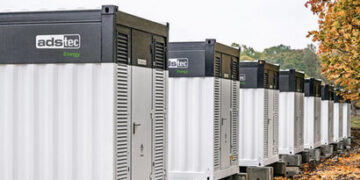












A busy meeting filled with hours of public comment Tuesday in Henderson County Fiscal Court resulted in two significant approvals: a one-year moratorium on any new application for battery energy storage systems in the county and capping the number of acres of solar farms in the county.
The motion for the moratorium made by magistrate Taylor Tompkins came close to the end of a nearly four-hour meeting, after Airline Road resident Deirdre McConathy made a second pitch that a BESS moratorium would allow residents “a layer of protection” from any new installations while residents work to strengthen the county’s current BESS ordinance.
McConathy’s second conversation with the fiscal court came after many other discussed the moratorium and other renewable energy related topics during the “Good of the County” portion of the meeting.
McConathy, who has been working for the moratorium and for a stronger BESS ordinance for more than a year, teared up when the fiscal court approved unanimously via voice vote the moratorium.
“Thank you—more than you know,” she told the fiscal court after the vote.
She told the Hendersonian after the meeting that she was grateful to the court and that the outcome showed that through perseverance, she and others have reached their goal of protecting the residents of the county.
The process to obtain final approval will begin with a resolution that will be originated at a future fiscal court meeting before being sent to the Henderson City-County Planning Commission to hold a public hearing and make a recommendation, said Judge-Executive Brad Schneider. Once that recommendation is sent back to the fiscal court, it can hold first and second readings and votes.
Schneider said the language that most likely will be sent to the planning commission sets the moratorium for a year or until text changes to the BESS ordinance are presented to the fiscal court and either approved or denied.
McConathy had asked for the pause so that she could work on text amendments concurrently while the moratorium is in place.
“I can do that,” Tompkins said, because McConathy would be working toward writing the text amendments to the current BESS ordinance.
He told the Hendersonian that he trusts McConathy, learned through the many conversations he’s had with her, and believed her when she said she will work on text amendments to present to the fiscal court.
“I have a lot of faith in Mrs. McConathy,” he said. “She has been the consummate partner. If she makes a statement, it has factual data to back it up.”
Earlier in the public comments portion of the meeting, Toy-Anthoston Road resident James Franks, who is running for District 2 magistrate against Tompkins, challenged his opponent to make a motion for the moratorium. But at that point in the meeting, Tomkins did not make the motion.
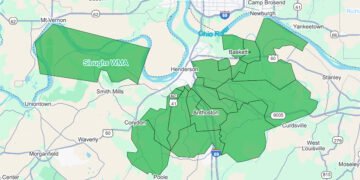
Franks, like McConathy, has been a vocal opponent to BESS systems since the time the fiscal court passed the BESS ordinance in summer 2024. With the recent announcement that Yellowthroat Energy Storage will pull out of a plan to pursue a BESS system in eastern Henderson County—near both Franks’ and McConathy’s homes—Franks said it was an ideal time to impose a BESS moratorium.
“I’m absolutely ecstatic that the people’s voice was heard” today in the fiscal court meeting, Franks said. He added that now the real work of getting greater protections in place in the BESS ordinance will begin.
Planning Commission Executive Director Brian Bishop said the public hearing about the BESS moratorium could occur at its February meeting if the resolution from the fiscal court gets to the planning commission before Jan. 13, which is the cutoff date so that the required public advertisements can be made in time.
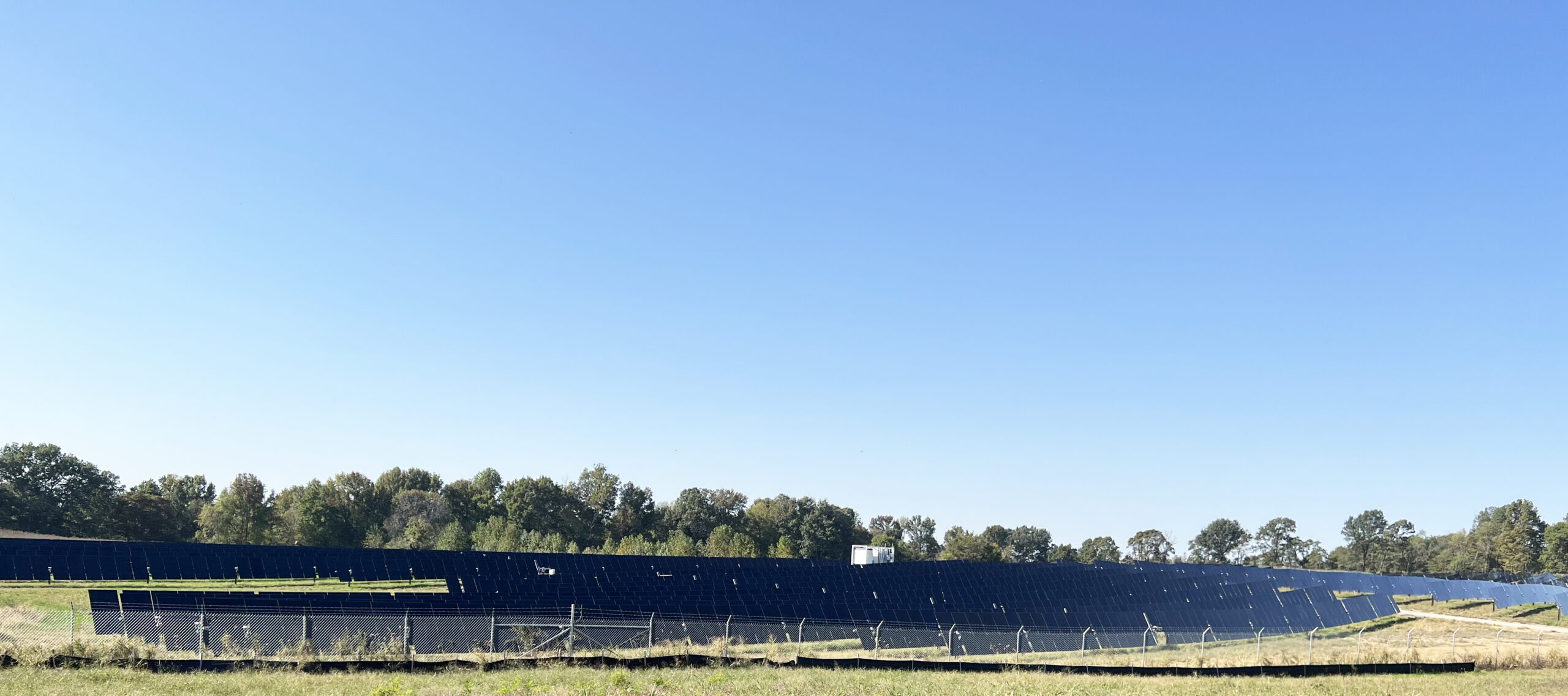
Fiscal court limits solar farm acreage to 6,050
Another motion by Tompkins earlier in the meeting proposed a 6,050-acre cap on the total amount of acres for solar farms in the county.
“I feel like we’ve done our part,” Tompkins said about the county’s contribution to the solar energy production.
Tompkins did not say exactly how many acres currently are under solar panels in the county, except to say, “It’s real close to that.”
Part of the Rock Bluff Energy Park’s plan, which is proposed to be located in eastern Henderson County, is for solar panels to be placed on a 14,000-acre tract of reclaimed Penn Virginia mine land. It is unclear how many acres of solar that Rock Bluff is hoping to locate on the land.
But the cap approval appears to eliminate Cordelio Power’s ability to locate any solar panels on the Penn Virginia land. Tompkins said “that would lead one to believe that.”
The Hendersonian reached out to a spokesperson working with Cordelio Tuesday afternoon but didn’t receive a statement about the cap before this article was posted later in that night.
With the approved proposal, the planning commission would write the language to cap the total and then send the language back to the fiscal court for review, according to discussion at the meeting. After that, the fiscal court would originate the text amendment before sending it back to the planning commission for a public hearing.


