















I come from a line that whispers the memory of AD 52. St. Thomas’s footsteps echo in my Christian heritage, a faith braided into the vast, patient tapestry of India’s civilization. Born of Indian lineage in Kenya, nurtured by the warm cadences of East Africa and an international Round Square schooling and shaped by engineering and management studies while living and working in the United States, I carry several homelands like lanterns—each casting its own light—as America’s 250th approaches.
India is an ancient confluence, a living palimpsest where tongues, rites, cuisines, philosophies and arts have mingled for millennia. Here faith dwells amid polyphonic rites and layered memories; for those of us who trace a Christian lineage to the apostolic age, belief is not foreign to the soil but interwoven with India’s long, inclusive dharmic habit of holding difference as sacred.
Kenya—Africa’s generous, sunlit classroom—gave me another grammar of belonging. In its mosaic of tribal songs, Swahili hospitality, market laughter and the ebb of seasons, I learned how earth and story, neighbor and ritual, shape moral imagination. The Indian diaspora in East Africa sings in syncretic notes: spices shared with ugali, melodies threaded with taarab, prayers softened by Swahili greetings. My mother’s multi‑decadal devotion as a lay missionary volunteer teacher in Kenya made this intimate and practical. Through her classrooms and quiet acts of service, I learned that faith becomes flesh in humble labor and that education is a sacrament of hope.
America is a modern wager on ideals—a republic forged not from a single lineage but from luminous words: liberty, consent, dignity. It is a polity where strangers were invited, slowly and imperfectly, to weave their stories into a common narrative. Yet the founding was a paradox: the Revolution was a familial quarrel within an imperial house, while elsewhere whole civilizations sought to reclaim themselves from alien rule. America’s promises shone brightly but with shadows—native nations dispossessed, enslaved peoples bound, women and many communities long denied the full radiance of those ideals.
From a dharmic vantage, moral worth lies less in a spotless birth than in the courage to perceive error and to labor for repair. Dharma names imbalance and summons remedy; a society’s soul is measured by its capacity to awaken, repent and reform.
Into this unfolding moral drama came immigrants—our people—bearing suitcases of grief and hope, recipes and prayers, skills and song. We tilled railways, tended hospitals, opened schools, raised temples and mosques and churches, and raised children who learned to dream in new tongues. We did not merely seek the American promise; we helped to build it. That is the republic’s quiet miracle—the alchemy by which many voyages become a single civic pilgrimage.
If India is a sacred river—ancient streams converging into a broad, continuous current—and Kenya offers a sunlit archipelago of communal rites and soil‑deep belonging, America is a grand, modern experiment where disparate peoples, with pain and courage, choose to clasp hands under the shelter of a constitution. These are multiple melting pots—civilizational, regional and constitutional—each with its own sacramental gifts.
As one whose Christian roots reach back to the apostolic era, who was formed in Kenya’s generous world, educated across continents and now making a home in the United States, I stand grateful to them all: to India’s layered wisdom, to Africa’s communal tenderness exemplified in my mother’s decades of service, and to America’s luminous yet unfinished promise.
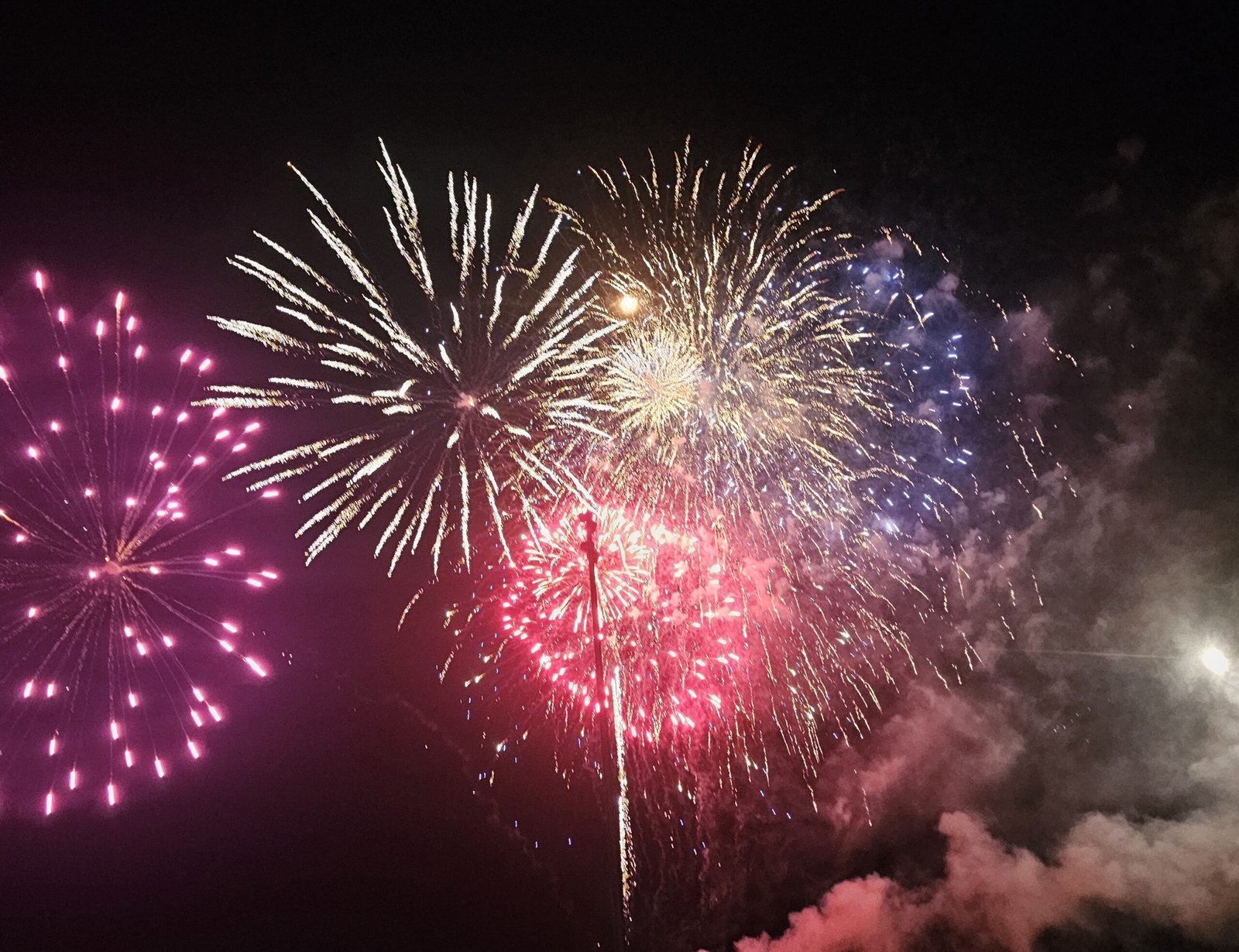
On this 250th Independence Day, I do not celebrate a flawless origin but a continuing vocation: the hard, beautiful work of making words live. May America be steered by that inner dharma—to see injustice, to repair it and to widen the circle until its light touches every soul.
Happy 250th Independence Day.
Savio Valiyaveetil lives in Henderson.