

















(This article first appeared in the April print edition of the Hendersonian.)
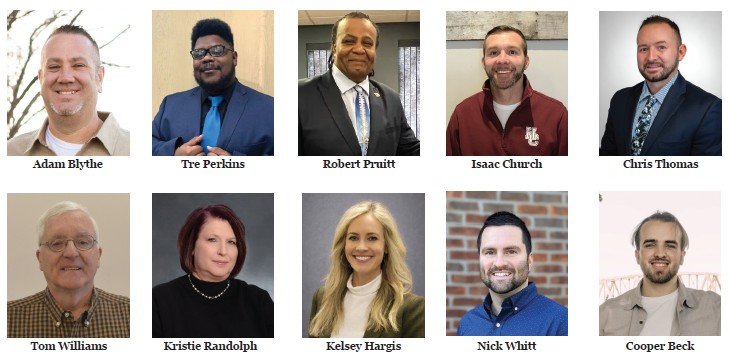
On May 19, city voters will decide the top eight places of ten who entered the Henderson City Commission race. Those eight will then square off for four city commission seats in November’s general election with the winners taking office in January 2027 for the next two-year term.
The Hendersonian spoke with all ten candidates. To attempt to be as fair as possible, we tried to limit the conversation to 30 minutes, though some went over that. We also attempted to write between 400-500 words, but again, some candidate pieces ended up longer.
We also decided the order of appearance of photos and placement in the article based on the official placement of candidates on the May 19 ballot, which is assigned via a drawing handled by the Henderson County Clerk’s Office.
We hope you’ll read these and attend upcoming forums to make an informed decision. In the May print edition, we will work to bring even more election coverage.
At the end of the article, hyperlinks to candidate intros that the candidates themselves wrote and previously submitted to the Hendersonian are listed. Click to learn more about those who submitted one.
***
Adam Blythe
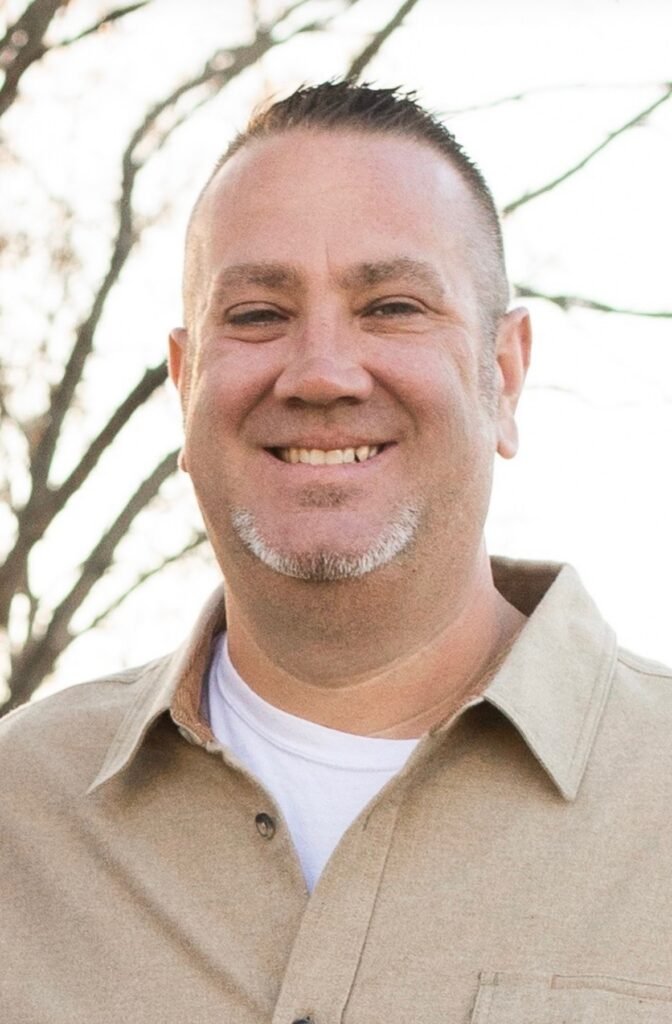
Among Adam Blythe’s calls for reforms is a change in the way the city handles its public business.
He said there’s often “very little conversation” occurring at Henderson City Commission meetings in which explanation or details of agenda items can be conveyed. He said he assumes discussion is handled in email chains or one-on-one conversations between the mayor and commissioners, which both are legal. He said, though, he’d like for “more transparency in the meetings themselves.”
“The agenda does not always speak to everything that is happening,” he said.
Blythe, who has recently become something of a local iconoclast online, has also been making a recent push on social media about a select few who are a part of the decision-making processes in the city, including city-appointed boards, and in quasi-governmental bodies, which are organizations that get significant funding from local governments but work independently of them. He singled outthe Chamber of Commerce, Henderson Economic Development and Henderson Tourist Commission.
“We have a very selected voice,” he said. “I just don’t think it represents the city. It represents a group of the city.”
Blythe also said that there’s a good “foundation” of things happening across the city, but Henderson’s full potential isn’t reached when friends on boards pat each other on the back instead of challenging each other.
Again—with a question if Henderson is progressing—Blythe responded that the answer depends on who is asked. He said there’s a “big chunk of folks” in Henderson who don’t have a seat at that table and wouldn’t be as positive about Henderson as those who are in leadership here.
Another of Blythe’s priorities is attracting people to Henderson. He talked about recruiting tech jobs to the community as well as filling a plethora of vacant buildings with businesses.
He said Henderson’s industrial base is good, but the area needs to be diversified with high-tech jobs or technology jobs in general. A piece of that may be attracting people who are remote workers and “bringing talent here,” he said.
He compared Henderson to what Newburgh was about 30 years ago, when he said friends of his from that town said it will never be more than a bedroom community to Evansville. He said there was a dearth of retail and other amenities, and people from there left with no intention of moving back. But now they’re back, he said, adding that Henderson is different than Newburgh decades ago but has similar challenges. Henderson needs to recruit for more than manufacturing, recruit across the river and get vacant properties filled back up, Blythe said.
Blythe got into the race because of three issues that occurred in the past couple years. First, there was the issue of the new Henderson Water Utility meters that were not set correctly before installation that led to billing errors causing a year of “catch-up” bills for thousands of residents. Second, he was against Mayor Brad Staton annexing a county residence into the city before he bought it so that he could remain mayor. Third, he opposed the city commission changing its nepotism policy months before Commissioner Robert Pruitt’s daughter was hired in a city role.
“We’ve got a group of folks working for themselves,” Blythe said. “Enough is enough.”
Tre Perkins
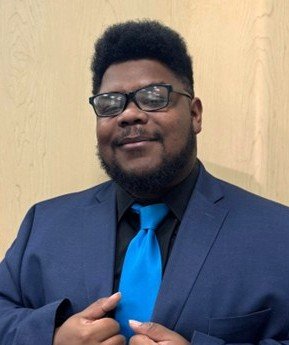
Tre Perkins said he wants the city to help new and local investors get started on businesses, increase employment first and then later increase operating hours of the HART system and provide more activities for children in Henderson.
Regarding help for young entrepreneurs, Perkins said a good idea would be to get a grant system set up to help businesses get off the ground. He said a grant wouldn’t have to be an enormous amount of money, maybe in the neighborhood of $1,500-$2,000.
“To at least show that we care as a city and a community,” Perkins said.
He also said—in regards to new businesses—that a lot of people trying to start a new business run into a lot of problems with the codes department, which includes a lot of misunderstanding.
Perkins said employing more people in HART, including bus drivers, would allow for an extension of service hours. Currently, he said the last run of the day begins at 4:30 p.m.
“That doesn’t help people who work till six o’clock get home,” he said.
He did say that progress has been made with the city’s bus system—a bus that goes to and from Henderson Community College has helped as well as a new HART transit app.
“We’re getting on the right track but still not there,” he said
Though HART relies on a lot of federal funds, doing something on the city’s end to improve it would be “a great perk.”
Perkins, like many other candidates, wants to have more in the community for children, possibly in the form of after school programs. He mentioned the city’s Junior Ambassador program in which Henderson County High School students meet with city leaders and tour different facilities while learning the ropes of city government, but he said he wanted to do more for students who aren’t the honor roll type students.
Bigger partnerships with Audubon Kids Zone, the Boys & Girls Club of Henderson and The Port could be an answer, he said.
“I’d like to see the city partner with those three for sure,” Perkins said.
Additional initiatives are to clean up the East End and bring that area new ideas, he said.
“To help regrow that area how it used to be,” Perkins said.
When I-69 is completed and runs by the outside of town, he said he doesn’t want the East End to be “a turn away spot. I want it to be a turn-in spot.”
“The city of Henderson has come a long way in the past 15 to 20 years,” he said. “There’s still a lot of improvements that can be done.”
As a current member of the Parks and Recreation Board, Perkins is also excited about the possibilities of what will come from the city’s newly approved Parks Master Plan. He said the possibility of adding a team-building/adventure park area in Atkinson Park and all the parks getting a makeover is exciting.
Robert Pruitt
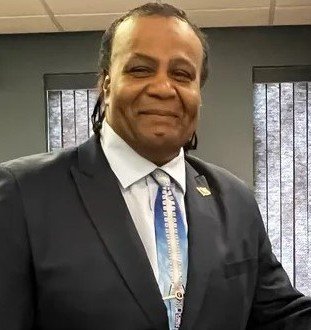
The list of priorities on Robert Pruitt’s list include affordability, giving children a good childhood, and increasing both the number of high-paying jobs and affordable housing units. Lumped in under the affordability umbrella are to keep property taxes and utilities low, he said.
Pruitt said he wants to continue to help Henderson be a place where people can afford to live and send your children to college—“to live without struggling.”
Pruitt, who is vying for his eighth term as a city commissioner, pointed to past work as support. He said when he first came on the city commission, the group as a whole every year voted a 4% increase in property taxes whether the city needed it or not. “If we don’t take it, we don’t lose it,” he said was the attitude. He said during his tenure the city didn’t raise taxes if the city didn’t need it.
In 2024, the city cut real property tax rates to 47 cents per $100 evaluation, and that rate held steady in 2025. Personal property rates were set at 60.6 cents per $100 valuation in 2024, and the city commission lowered that rate to 58 cents per $100 valuation in 2025.
Pruitt said he wants to ensure “we give our kids the best childhood possible” so that one day they will want to return to their hometown and live. One example is the work he’s done to revamp Anthony Brooks Park on Madison Street across from the John F. Kennedy Center, he said. That project is tentatively scheduled for construction later this year.
He also said that he, along with former city commissioner and current state Sen. Robby Mills, put the East End on the agenda again, adding that before him the city commission didn’t want to spend money in the neighborhood.
Also for children, the city built the “state of the art” SportsPlex, which is a “game-changer for our kids,” he said.
Pruitt also said that the city has begun discussions in hopes of finding a partner to build affordable apartments. He also mentioned using Community Development Block Grants to build homes and the city’s partnership with the Habitat For Humanity as a way for more homes to be built.
Pruitt also said that leaders are trying to get more commercial development, which will lead to more jobs, and hinted that something big may come soon, perhaps in 3-4 months.
Pruitt believes that the city has made progress, evidenced in one measurement by the number of people who visit downtown Henderson on Friday and Saturday nights.
He also said the city commission has met the needs of Henderson.
“If we need something, and we can afford it, we give it to the people of Henderson,” he said.
Pruitt said he’s asked city leaders to look at how much utility money the city takes in. He said he wants to find a way to give a percentage back to residents in November. He said “if we can spend $18 million” on the SportsPlex, then the city can afford to give something back to the people who paid for it.
Isaac Church
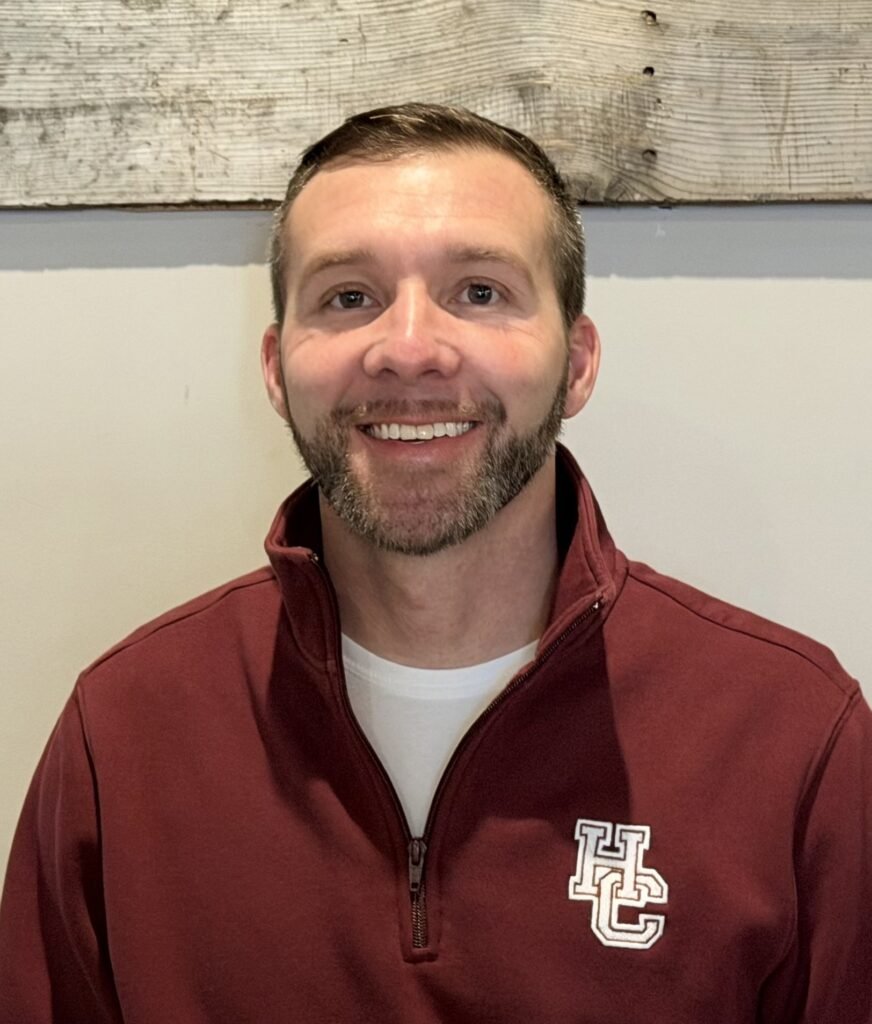
Issac Church wants to work on making Henderson more business-friendly, and he wants to ensure there is more for children to do. Entwined in those two priorities are other pushes to make the big ones happen.
He said a first step to making Henderson more business-friendly is to take a look at what it takes to get a new business off the ground. Church, owner of Firedome, said that once a business gets up and running Henderson will support it, but getting started—“It can be stressful.”
The to-do list is in a very difficult order and codes requirements are complicated, he said.
“What can we do to make it easier for those who want to start a business?” he asked.
Church said part of the difficulty lies in needing state permits for some pieces of equipment and local permits for others. Getting the state permits depends on when the state-certified inspector can get to Henderson, he said. Other nearby municipalities, according to Church, have local inspectors who are also state-certified.
Church said if elected he’d like to sit down and find efficiencies to ease the process.
Connected to that, Church said he’s a bit perturbed by progress he’s seen occurring in other nearby communities and Henderson hasn’t kept pace, mentioning Madisonville with its indoor Kentucky Sports Factory and two new hotels across the street from it.
He said the city of Henderson’s SportsPlex is a good thing, but also—as a youth sports coach—wants the city to lead the way with facilities like Madisonville’s, not follow in their footsteps.
“I like we need to be a trendsetter,” he said, “and start doing things before other people do.”
Of course, projects like that cost money and having a bigger tax base would be one way to allow the city to grow as he envisions.
To do that, he also wants to focus on recruiting new businesses to town, and he wants to incentivize those businesses better than what neighboring communities do because Henderson, a smaller town than Evansville and Owensboro, will need that to compete.
Church is also interested in finding ways the city can help bolster youth sports programs, PCMA and ABA, which he said need be brought back up to former standards.
Despite some misgivings, the city is progressing, Church said.
“I just think it’s too slow,” he said. “I don’t think we’re progressing as we should.
“Are we doing the things that other places (that are making better progress) do?” Church said.
He said he wanted to run for city commission to bring a fresh perspective, and if pushing for progress is what is wanted, service is key to making it happen.
He also said he wanted to learn if government is “as complicated as it’s made out to be or if changes can be made.”
Chris Thomas
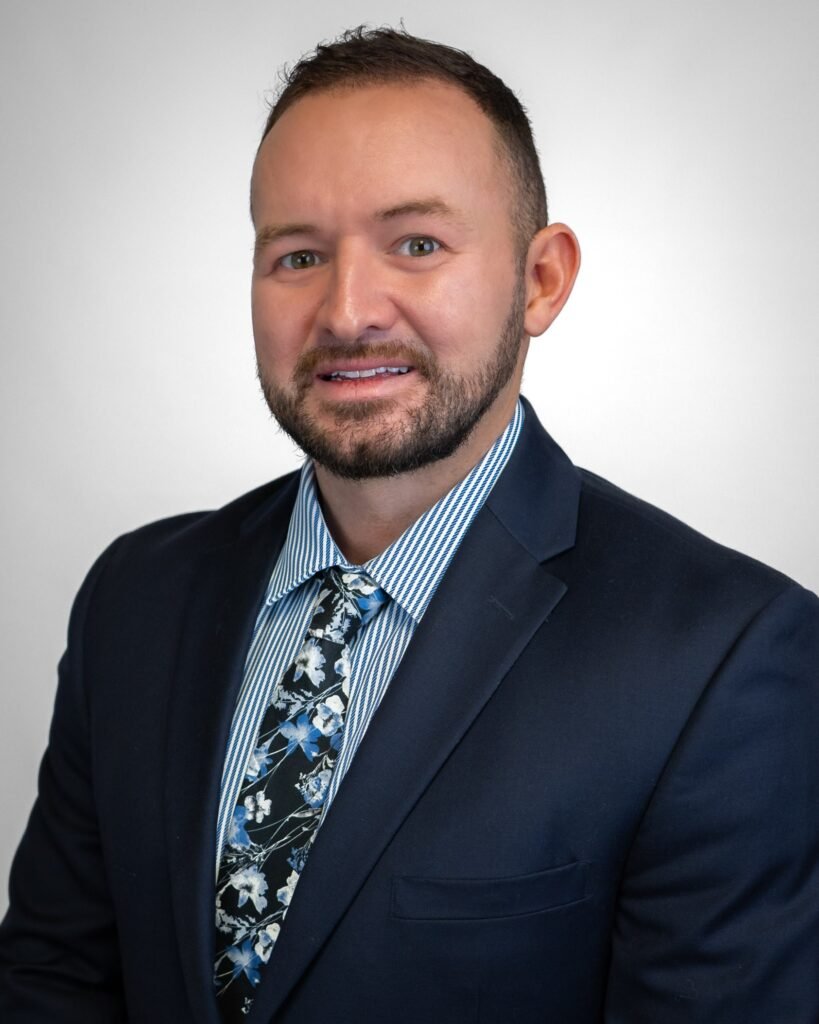
A couple of Chris Thomas’ priorities are for the continued recruitment of companies that provide skilled labor jobs and to search for more ways to support local nonprofit organizations.
Thomas said local organizations and the city have done well in focusing on bringing skilled labor jobs. He highlighted some of the benefits of the local workforce and mentioned the work that several organizations have done partnering with the Career and Technical Education unit at Henderson County High School.
He also said that the city of Henderson—as well as other organizations—need to prepare for the role AI will have on the local workforce. He said some studies that he has read predict up to 70% of blue-collar jobs could be replaced by AI in the next five years.
He doesn’t know how feasible that this would occur in Henderson, but said discussions need to be had in preparation.
A continuance of bringing skilled labor jobs is one solution, he said. For students coming out of high school going into skilled labor is a wise choice, and he wants to continue to remove the stigma of a graduate needing to go to college.
Thomas also said the city must look to attract technology companies. He mentioned providing preferential utility rates to companies, though the city through Henderson Municipal Power & Light already has some of the lowest rates in the region. He also mentioned the possibility of tax incentives. Using enticements, he hopes, will make “Henderson a place to be able to attract those jobs.”
He said the city needs to “make sure we’re doing everything we can to keep up with the times and technology.”
He also wants continued marketing of the community as a great place to relocate. He said the Henderson Tourist Commission and the Chamber of Commerce’s Downtown Henderson Partnership have done a great job of marketing the area. He said low utility rates and low cost of living can also be included in marketing to attract more people to live here, and added that Henderson’s vibe is different than most towns.
The “tight-knit” feel of Henderson is very rare today,” Thomas said.
Thomas has experience in the nonprofit realm, currently serving on the board of the Henderson Christian Community Outreach and the board of Matthew 25 Aids Services. He also spent a year opening and running the Men’s Addiction Recovery Center in Bowling Green, which is overseen by the Center for Addiction Recovery in Henderson.
He said helping nonprofits both monetarily and in other ways is necessary.
He said the city could look into providing breaks on utility bills and property taxes for nonprofits. And he said the city might be able to provide assistance for nonprofits from a marketing standpoint, adding the city “can provide some of these supportive services.”
Despite added help for nonprofits, Thomas believes that for the most part less government is a good thing. He said the recent news of Goodwill planning to locate on the north side is not under the city’s purview, but is occurring in the private sector.
One piece of less government he wants to shoot for locally revolves around the city’s codes department. He said HCCO has recently had to jump through a lot of hoops with the codes department for a project it’s working on. He said dealing with codes should be easier and the process needs to be streamlined.
“I think our codes department is very difficult to work with,” he said.
Tom Williams
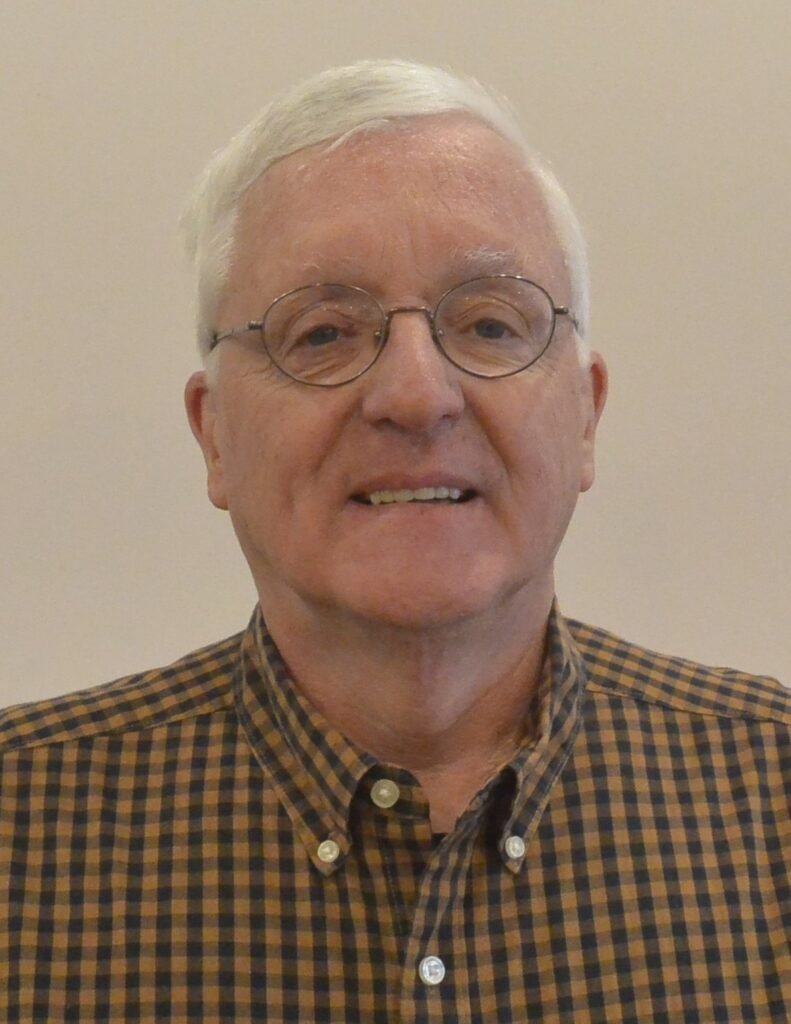
Tom Williams is, among other past posts held, the former general manager of the Henderson Water Utility. He held that position for more than nine years, and before that, he worked as the director of engineering at HWU for three years. Williams also worked as the Evansville city engineer.
Williams finished fifth in a seven-person race in the last Henderson City Commission general election in November 2024—more than 400 votes out of winning a seat.
He said he was urged by community members to run again this election because “they wanted to see somebody with maturity.”
He said it’s great that so many young people are in the race, but he’s going to harp on his experience with government and his knowledge about how things work.
Williams’ priorities are continual economic development which he hopes will continue to bring more new jobs. For years, he said, rural America’s population has been in decline and that’s something that has be guarded against here, as well. He said that’s something he’s been concerned with in Henderson, as well, though a recent information from Federal St. Louis shows the local population is bouncing back.
Although there are priorities that the city should spend money on, Williams said the city needs to make sure it’s not overspending. He mentioned that the city has started a lot of projects recently, and the city’s bonding capacity is lessening.
“I’d hate to see us get in a situation where we can’t support (the projects),” he said.
He also said keeping an eye on world events and their effect on the local economy is going to be necessary. The wider events could cause economic problems locally, and the city needs to be prepared. A downturn in the wider economy would cause the same here—he said one buffer for city government is to maintain a healthy reserve fund.
“The city has done a pretty good job of maintaining reserves,” he said.
There are projects, though, that he would like to pursue. Williams wants to make more progress on walking and biking paths around town and pursue more connectivity among them. He said he and his wife walk often and there are still places in town where walking paths dead end.
He said to keep costs down and pay for these projects could be to implement a city hiring freeze.
Williams said he’s also interested in pushing city commission meetings to a later time in the day so that more residents can attend. Currently, the commission meets for its regularly scheduled meetings at 3 p.m. on the second and fourth Tuesdays of each month.
“It just seems a way to keep people away,” he said.
It could be a plan in which one meeting per month is at 3 p.m. and another is at 5:30 p.m., he said.
Kristie Randolph
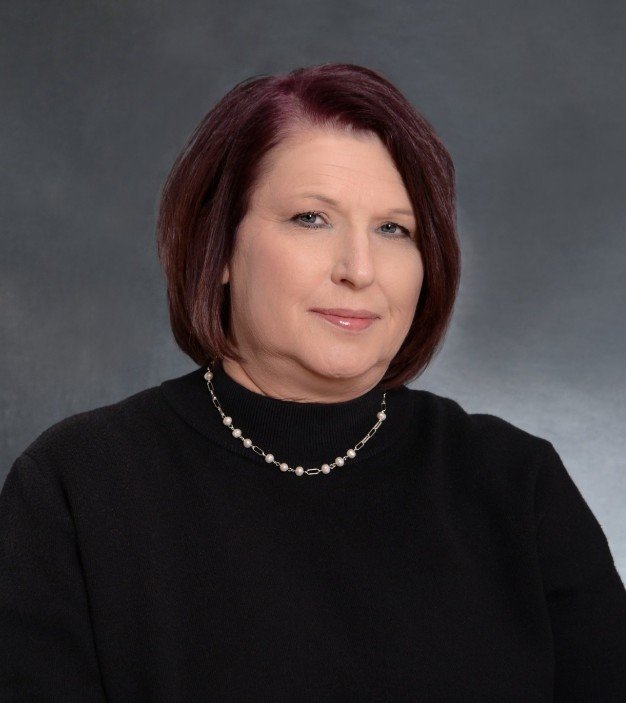
Kristie Randolph sets her top priorities into seven categories: transparency and accountability; affordable housing; economic development; safe, secure and strong (public safety); procedure and policy within government; community issues including mental health, homelessness and domestic violence; and supporting local businesses.
Regarding transparency and accountability, she said the one thing that is always relayed to her is that residents feel like they don’t have a voice and don’t matter. She said, in particular, East End residents don’t have faith in local government.
She said to correct that she wants to provide a more open communication with residents—not talking down to them. And she said that government needs to own up to its mistakes, something she said the city doesn’t do.
“If we’re wrong, let’s be held accountable for that,” she said.
She points to the HWU water meter error in early 2025 as an example when the city didn’t admit its mistake. She said the water meter manufacturer should have been held accountable and the city should have held itself accountable, too.
Randolph also believes that city government employees use policies and procedures to at times benefit themselves. For instance, she pointed to Mayor Brad Staton’s annexation and the hiring of Commissioner Robert Pruitt’s daughter, Breasha, as examples of policies being bent to benefit individuals.
She called it “changed policy and procedure” to accommodate themselves.
She said addressing affordable housing needs to take place across all income levels. The Jagoe subdivision that is being built behind Walmart isn’t affordable for most Hendersonians, she said.
Randolph said the city needs to work on partnerships with builders to construct other housing, to work with landlords to figure out a fair way to rent, and to have conversations about housing so that a successful plan can be implemented.
“I want it to be available for everybody,” she said, adding affordable housing for most in Henderson is buying a $100,000 home or renting a place at $700-$1,000 per month.
Regarding economic development issues, Randolph wants to look at vacant buildings on the 41 Strip and said some could be repurposed for other businesses. Current businesses on the Strip also need assistance and she wants to ensure they remain successful once I-69 is open.
Randolph believes that the city doesn’t have enough police officers, which leaves residents in fear. And residents don’t believe in law enforcement, though she said she supports police.
“I want to see our law enforcement is valued,” she said, adding each shift needs to have correct staffing levels.
Community issues—mental health problems, homelessness and domestic violence—continue to be problems, she said. She wants to build a domestic violence shelter, and she said Henderson needs its own mental health mobile crisis unit.
Kelsey Hargis
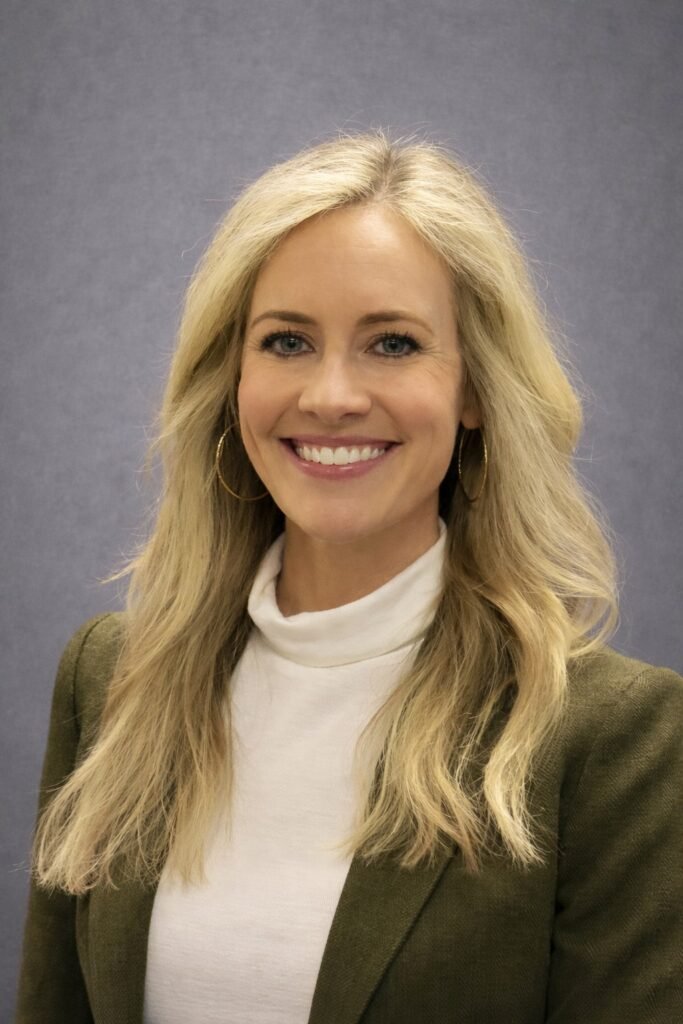
If elected to her second term, Kelsey Hargis said her priorities are for the city to continue to be financially responsible, recruiting retail including along the I-69 corridor and to continue her advocacy on keeping both Twin Bridges open and funding for the Audubon State park convention center.
Keeping the southbound Twin Bridge open and the Audubon Conference Center—“Those are definitely the top two priorities,” she said.
She said the city is in good financial shape, but officials must keep in mind future big-ticket projects while also keeping an eye on the city’s general reserve funds. She mentioned some large projects that are being planned for include the Audubon Conference Center, a loop road that is planned to parallel I-69 and connect U.S. 60 and Hoffman Plaza, and the future closure of the Henderson landfill.
With retail recruitment, she said Henderson Economic Development is working on incentive packages to entice developers and chains to locate in Henderson. And she foresees that new businesses will locate here.
“I do think we’ll have good news,” she said. “I just don’t know when.”
On the subject of retail, she said she was surprised at the recent development that Goodwill plans to open a store at the intersection of U.S. 60 East and Watson Lane. Because it was a matter of private landowners making a deal with a business, city government had no involvement in the matter, and she learned of it in a Hendersonian article, she said.
The land isn’t city-owned property, so it wasn’t a deal they were working on, she said. That’s similar to other current complaints about the amount of vacant buildings in Henderson and why the city doesn’t do something about it, she said.
Hargis, in her first foray into politics in the 2024 election, garnered the most votes in the Henderson City Commission race, earning the mayor pro tempore title.
Hargis believes the city is making progress, saying there’s “momentum in the past few years” and she expects there will be “pretty big things in the next few years.”
She said, though, that it’s often difficult to convey progress in a today’s world where everyone expects “instant” results. She’s also learned developments in government often take time.
“Sometimes those things just take a little bit longer,” she said.
She said today’s political climate is definitely hard, especially with social media, but she does love the work.
“I don’t think everything has to be contentious,” she said. “I hope we can set a better example.”
Nick Whitt
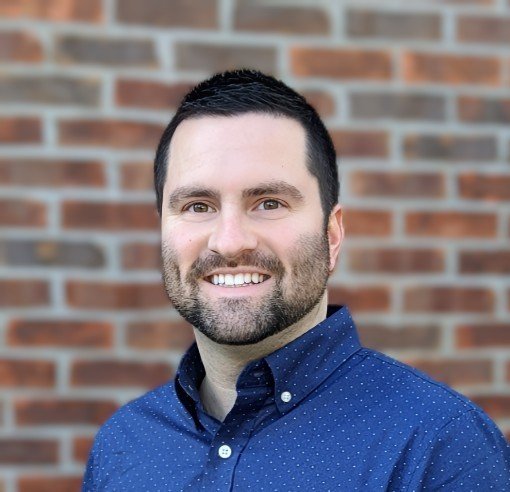
Nick Whitt, currently in his fourth year as a city commissioner, said he’s running on the same priorities he has the past two city commission elections.
His first priority is safety. “It’s paramount to any community,” he said. And also key to other goals a community may have, such as economic development and getting people to move to a town, he said. “I believe we do have a safe community compared to others around us,” he said.
He said the commission have increased police officers’ and firefighters’ pay. Another piece of it, he said, are family health premiums which he said are better than surrounding communities, an overlooked piece when people focus on pay alone. He said when police or fire department leaders have come to the commission asking for things, “we’ve done our best to help.”
Whitt wants to continue to work on economic development, specifically retail and new hotels. He wants to streamline codes, find a workspace for entrepreneurs—a sort of business incubator—and use incentives to attract big businesses. He said it’s important for the city to create a welcoming environment for people interested in investing in Henderson.
He also is interested in looking at ways to encourage owners of vacant buildings to sell them or rent them, though he said that can be difficult when government deals with private property owners.
He said affordable housing is an issue that municipalities and other groups across the state and nation are grappling with, and the solutions right now aren’t clear. He supports the city finding land that can then be built on by private developers and mentioned the city’s partnership with Habitat For Humanity, an organization of which he used to serve as board president.
Whitt also said that beefing up local ordinances regulating landlord-tenant laws may help. He also mentioned that Henderson adopting the Uniform Landlord Tenant Act, which outlines the rights of both landlords and tenants, might also offer clearer guidelines in rentals.
Whitt wants to both attract private investors and pursue city projects, such as developments in the Parks Master Plan, to engage youth, he said. He said there are certain projects that the city will pursue, such as a new swimming pool, while others—a skating rink is an example—would not be a city project, but one in which the city would encourage private developers to undertake.
The city’s work in the East End should continue, he said.
“It’s an area of town we need to be successful,” Whitt said. “It’s an area of town people living there deserve to be successful.”
On homelessness, Whitt said he pushed for funding for the case manager position with the Daniel Pitino Shelter Henderson and he’s an opponent of the criminalization of people sleeping on the street. He said he’s interested in looking at bringing a family shelter to town, or in finding partners to bring a shelter to town. Homelessness is a problem that is not lessening, he said.
“More people are experiencing homelessness,” he said.
Whitt said he intends to remain transparent. He said he sends out regular information on his Facebook page and sees it as his job to inform people of what’s going on.
He responded to a question about the lack of discussion in city commission meetings by saying that much of city government work, like state and national politics, depends on building support. He said that happens in this city government, when commissioners call each other one-on-one to discuss issues. He said city commission meetings are often cut and dry because an ordinance or regulation won’t be brought unless there’s a good chance of passage, an explanation for why there’s rarely much dissent in commission meetings.
Cooper Beck
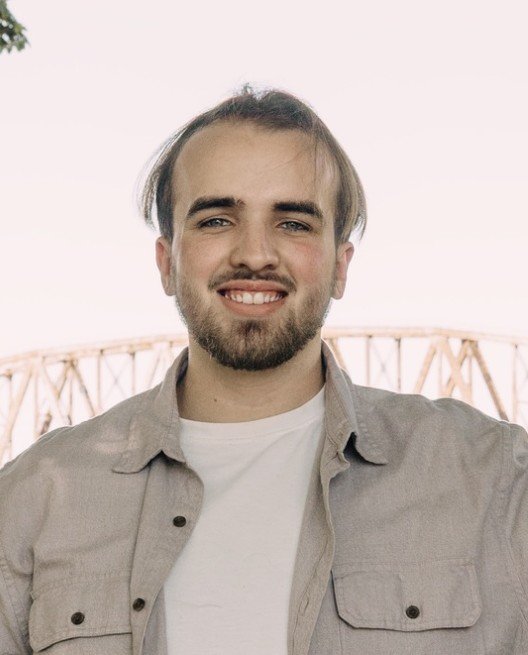
Cooper Beck has laid out five categories he’s focusing on in his campaign: government transparency and accessibility; affordable housing and neighborhood revitalization; small business growth; building safe and thriving neighborhoods; and investing in youth.
He said, if elected, he’d push for the city to publish a citywide engagement calendar, and he’d like to see more town halls when the city commission can explain big issues and the reason they voted the way they did. He also said he will publish a monthly newsletter that adds context to different issues in the city and explain his opinions and votes.
The city needs to take measurable steps to address affordable housing, he said. It is a complicated issue that spans income ranges and is something that “we need to take a look at pretty seriously,” Beck said.
He said he’d like to put in place a three-year affordable housing action plan that will bring 100 new units by 2029. Those could be for rent or to buy.
Beck believes that more assistance can be provided to those who start new businesses. He said that he thinks an audit of zoning and city ordinances is needed to determine just “how hard are we making it for a business to start.” And he recommended changes—not reckless—but things that could help a business get going.
To create safe and thriving neighborhoods, Beck first recommended that infrastructure—sidewalks, lighting and drainage—are kept up or built. “I think that should be the baseline,” he said. He additionally wants to look into mental health programs, and ensure the police department continues community policing and that residents involve community-led safety programs.
Beck said his biggest pitch is a “Commission on Youth,” which looks at systemic issues that youth face. It needs to look at a lack of activities for youth and increased crime rates, he said.
“The city needs to be prepared to address that in an aggressive way,” Beck said.
Beck said that Henderson has made great progress in the last nine years, but there’s also a “disconnect between the city and people who live here.” He said there are people that need to be seen and heard.
One of the biggest pushes for the city, he said, is “to get out of the mindset that we can never do any wrong.” Town halls will help that, he said.
He also said that every community member has a responsibility to contribute, and city leaders have a responsibility to let them know what that looks like.
“Everyone has a stake in the future of Henderson,” he said.
Though Beck loves Hendeson—he said “there’s a charm about Henderson” that brought him back from Louisville—he also knows that small towns in general don’t always embrace outsiders.
“I will always champion bringing everyone I can to the table,” he said.
And finally, a question about his youth—he’s 21 years old. He said his youth adds a lot and doesn’t take away from his ability to lead. He said he knew when he decided to run that it was a big ask for the community, but “if I had any doubts” about being able to do the job, “I wouldn’t run.”
Candidate intros (previously submitted introductions that candidates wrote about themselves):

